










Your Best Tool for Abroad & Learning English

Your Best Tool for Abroad & Learning English

  1. What do you want to take with you when heading to a foreign country?

    When I went abroad for the first time, I thought I’d be able to buy anything I needed anywhere, so I only packed a few days’ worth of essentials in a small bag.
    However, there are things you can easily get and things you can’t. Based on my experience, I’d like to share some items that, while not necessary, I recommend taking with you when leaving your country.

    First, it is toothpaste.
    Though I had been using a particular brand of toothpaste for years because I was very careful about cavity prevention, I assumed that the country I was heading to would have better toothpaste than what I was using in my country, so I didn’t pack it.
    I was overly excited about leaving my country to study English; I was like, “Oh, I’m going abroad, I’ll find some amazing toothpaste there, too!”

    However, after I arrived at my destination and went to a local pharmacy to buy a pack of toothpaste for the first night, I faced a serious issue:
    I couldn’t understand what was written on the package! I had no idea what the labels meant.

    “Wait, what is …?”

    The toothpaste packages had ingredient names like abrasives, humectants, desensitizing agents, etc. “Wait, how do you even read these?” I had no idea.
    I started to worry about ‘’Is it enough to prevent cavities?’’ I panicked, thinking, “What if I get a cavity? How will I go to the hospital?” (At the time, there was no internet to quickly look things up, and even if I could, I wouldn’t know if it was the right toothpaste for me!).
    I tried asking the store staff about the written words on the package, but my broken English didn’t work.

    In the end, I bought a random toothpaste from a well-known brand and left the pharmacy feeling a bit defeated.
    (But the toothbrushes in other countries are so unique! It’s pretty fun!)

    The second thing is clothing.
    I only packed a few days’ worth of simple outfits, so I had to buy clothes locally.
    With so many international clothing stores like H&M, I went shopping for affordable clothes.
    But here’s the problem: I couldn’t figure out the sizes. The sizes were completely different from my country, and I had no idea which one would fit me.
    There were numbers like 6, 8, 12, 14, and I was so confused.
    “Inches are more tricky!!”

    Women’s underwear should be even more difficult since there are various sizes!
    (What if you didn’t have a smartphone? Ask the store staff? But what if they don’t understand you like what happened at the pharmacy before?)
    Embarrassed, but needing the clothes, I eventually managed to communicate with the staff and bought what I needed successfully this time.
    – I lost those clothes anymore, but it’s a sweet memory.

    The third item is food.
    If you feel you can’t live without certain foods, it might be a good idea to bring a small amount that is allowed.
    Be careful, though—there are restrictions on bringing food into certain countries, depending on the local regulations.
    For example, items like the following are often restricted:

    1. Fresh foods
    2. Dairy products
    3. Meat products
    4. Grains
    5. Plants
    6. Seafood
    7. Processed foods
    8. Alcoholic beverages
    9. Tobacco products
    10. Quantity restrictions for food items

    Apart from food, you need to be especially cautious about medicines.
    If you rely on certain medications, it’s crucial to understand the regulations regarding bringing them into your host country.
    The most reliable way to get accurate information is to check the official websites of your host country’s government, embassy, or health department.
    Don’t trust random internet sources.
    Some countries require you to carry an official prescription when bringing certain medications, and restrictions on specific drugs vary from country to country.
    Even common cold medicines or pain relievers can be restricted based on their ingredients and quantities.
    You might think, “It’ll be fine to bring your local medicine,” but you shouldn’t assume that.
    Medication names and ingredients may differ abroad.

    I once saw an elderly man who looked sick being interrogated at a customs checkpoint.
    It turned out he had unknowingly brought medication that he was prescribed by his doctor.
    He kept insisting he needed it, but they told him he couldn’t bring it in, and if he did, he’d be deported.
    It was heartbreaking to watch.
    So, if you need medication, make sure you have all the necessary documents before travelling.

    Essential documents for entering the country

    Don’t forget! This is the most important thing you need!
    Your documents! When studying abroad, you need these important documents:

    1. Passport and visa-related documents
    2. Academic-related documents
    3. Plane tickets

    These documents aren’t just necessary for initial entry; they’ll also be important if you need to leave the country during your stay, as there are various restrictions.
    Pay attention to your visa’s and I-20’s expiration dates.
    No one will send you a reminder saying, “Hey, your visa is about to expire!” so you need to manage documents on yourself.

    From my experience, aside from the necessary documents, I’ve realized that bringing too many extra things is a bad idea.
    These are some of my failures and the most necessary thing you will need:

    1. Electronic devices

    When using electronic devices abroad, you’ll need an adapter that fits the local voltage and plug shape.
    Different countries have different electrical standards.
    Here’s some general information but be sure to check the specifics of your destination country before you travel.

    1. Voltage and frequency differences: In Japan, 100V and 50Hz/60Hz are common, while in the U.S. and Canada, it’s 120V and 60Hz. Be mindful of these differences.
    2. Plug shape: The plug shapes differ by country. For example, in the U.S. and Canada, the NEMA 1-15 type (two parallel flat pins) is commonly used.

    Before traveling, make sure to check the electrical specifications of the country you’re visiting and prepare the necessary adapters and converters.
    Many electronic devices like laptops and smartphones can operate within a range of 110V to 240V, so they may not need a voltage converter, but it’s always good to double-check.

    You will find there are many types to choose from.
    But don’t forget, once you return to your country, these adapters may become useless, so it’s best not to overbuy.
    Please be environment-friendly.
    I bought too many types of chargers, and they became useless later.

    2. Money and health!

    You may say this, “Money is what you need first!”
    Yes, you are right. You’ve probably considered various ways to convert your currency, too.
    I know. The method you change your currency should depend on whether you prioritize convenience or exchange rates.
    What method will you use to exchange yen for local currency?
    An international ATM card might be very convenient, but the extra fees can be so high.

    Some methods to exchange your currency for U.S. dollars (USD) in the U.S. include:

    1. Banks: If you have a bank account in the U.S., you can generally exchange yen for dollars at that bank.
    2. Foreign exchange services: Foreign exchange services often offer more competitive rates than banks. You can exchange currency online, and some services waive fees for larger amounts. Be sure to choose a reliable service.
    3. Airports or tourist areas: Airports and tourist spots often have exchange counters, but the fees can be high, so it’s worth considering other methods.
    4. Online banking: Some online banks offer services that make it easier to transfer money internationally.

    Now, you are ready to go abroad!

    When you are fully prepared, now it is the time to enjoy your study abroad experience.
    Finally, let’s go over some important health-related information.
    If you want to know about health support and using hospitals while studying abroad in the U.S., here is some helpful information:

    1. Check your insurance: Medical expenses in the U.S. are very high, so it’s essential for international students to have health insurance. Many universities and study abroad programs offer student health insurance plans, and it is highly recommended to enroll in one. Make sure you understand what your insurance covers and how to use it.

    2. On-campus health centers: Many universities and affiliated study abroad institutions have on-campus health centers. These centers offer general health consultations, vaccinations, health check-ups, and more.
    3. Primary care clinics: If you get sick or injured, the first place you should go is a primary care clinic. These clinics handle general health issues, and it’s common to need an appointment. However, depending on your insurance, you may be able to visit without an appointment.
    4. Hospitals: For more specialized treatment or surgeries, you may need to visit a hospital. In large cities, there are a variety of facilities, from general hospitals to specialized ones.
    5. In case of emergencies: In the event of an emergency, it’s important to call 911. In the U.S., emergency medical services respond quickly.
    6. Prescriptions: If you are prescribed medication at a medical facility, you can pick it up at a pharmacy. At the pharmacy, present your insurance card, and the medication will be dispensed based on the prescription.

    It’s very important to be well-prepared for health matters while studying in the U.S. I recommend researching your school’s or program’s health center as well as local medical facilities in advance.
    Also, be sure to thoroughly understand your insurance coverage so that you can handle any health issues smoothly.

    We, at NYEA (New York English Academy), can provide various insurance information that is valid for students holding student visas.
    Additionally, we offer support for students who face difficulties or need information during their stay, so you can have a safe and secure study abroad experience.
    Whether you’re considering studying in New York or already living in the U.S., enjoy your study abroad experience with us.
    We welcome many international students!

    Enjoy NY!
  2. If you plan to spend some time in New York City, why not learn to speak like a New Yorker? While true native New Yorkers are rare, the New York accent can still be heard throughout the five boroughs, making it an essential part of the city’s charm.

    Learning the New York Accent

    The New York accent is distinctive, and you may have already heard it in cartoons or movies.
    Although it’s often associated with gangsters or cops, the New York City accent has unique elements that make it worth studying.
    Whether you want to surprise friends or have a cool party trick, practicing the New York accent’s key pronunciation features is a great skill to pick up.

    History and Cultural Background of the New York Accent

    The New York accent originated as a result of the diverse cultures and languages brought over by immigrants.
    Influences from Italian, Irish, and Eastern European immigrants are particularly notable, with each contributing to the city’s unique rhythm and pronunciation.
    This mix resulted in a distinctive accent that’s specific to New York.
    The New York accent has meanings beyond pronunciation alone.
    Historically, it was a symbol of working-class and lower-class New York culture.
    However, through media and entertainment, it has become famous and is cherished as a reflection of New Yorkers’ individuality and pride.

    Benefits of Learning the New York Accent

    Learning the New York accent can bring several benefits:

    • Deepen Cultural Understanding

      Learning the New York accent offers a richer understanding of the city’s history, immigration influences, and community development.
      You’ll feel a sense of connection with New York and its people.

    • Smooth Communication with Locals

      Adopting the accent helps locals feel more at ease with you, making it easier to bond with New Yorkers quickly.
      Instead of being seen as a tourist, you’ll be welcomed as someone who’s in tune with New York, opening doors to local insights and hidden spots in the city.

    • Broaden Self-Expression

      By learning the accent, you can express yourself in a New York style, using unique intonations and phrasing that boost confidence in conversation and enhance your ability to communicate expressively.

    • Useful for Business and Career

      Understanding the local accent helps smooth communication in professional environments, fostering trust, especially when working in New York or other English-speaking areas.
      It also brings you closer to clients and colleagues, creating rapport.

    • Better Enjoyment of Media Set in New York

      When you hear the New York accent in movies, TV shows, or news, understanding the distinct pronunciation and intonation adds to your enjoyment and appreciation of these works.

    Key Features of the New York Accent

    • The Dropped “R”

      One of the most recognizable, classic features of New York pronunciation is the dropped “R” sound.
      This occurs mainly when the “R” is in the middle of a word and is usually silent. However, it’s typically pronounced when it appears at the end of a word or before a vowel.
      Historically, this silent “R” was associated with immigrants and lower-class residents, carrying social stigma.
      While there are still New Yorkers who drop the “R,” the number is gradually decreasing.

    • The Intrusive “R”

      In contrast to the dropped “R,” certain words in the New York accent feature an added “R” sound.
      Known as the “intrusive R,” this phenomenon involves adding an “R” to words that don’t usually contain it.
      For example, “law and order” is sometimes pronounced as “lawr and order,” and “idea” becomes “idear.”

    • The Glottal Stop

      The glottal stop [ʔ] is a sound commonly found in the New York accent, thought to be influenced by southern British and Cockney accents.
      In the U.S., the use of the glottal stop is most prevalent in New York City.
      You can hear this sound in words like “bottle,” where the double “t” is replaced by a glottal stop.
      For help with this pronunciation, consult audio resources or ask a specialist for guidance.

    • The Intrusive “G”

      Another stereotypical feature of the New York accent is the intrusive “G” sound.
      Unique to the New York accent, this sound is uncommon elsewhere in the United States and was historically seen as a marker of lower-class speech.
      A classic example is the pronunciation of “Long Island” as “Lawn Guyland.”

    • The Short “A” Split

      A distinctive element of the New York accent is the short “A” split, famously parodied by cartoon characters like Bugs Bunny.
      Words containing the “a” vowel, such as “cab” or “avenue,” may be pronounced with a short split, resulting in “ki-uhb” for cab and “i-uhvenue” for avenue.
      Although this was once a common feature of the New York accent, it’s less frequently heard among locals today.

    How to Get Used to the New York Accent

    1. Watch Local TV Channels: New York’s local news channel, NY1, is a great resource for immersing yourself in the New York accent. The narrators and interviewees often speak with an authentic New York accent, which can help familiarize you with its unique pronunciation.
    2. Observe Movies and TV Shows: Movies and TV shows set in New York—such as Goodfellas, Sex and the City, and Brooklyn Nine-Nine—feature characters with New York accents. Pay attention to how these characters speak, focusing on how they use the accent’s distinct intonation and rhythm.
    3. Join NYEA’s Conversation & Pronunciation Class: The New York English Academy (NYEA) offers a Conversation & Pronunciation class that provides numerous opportunities to practice speaking like a New Yorker. With experienced instructors guiding you, you’ll be able to learn the accent’s unique intonation and pronunciation.
    4. Listen to Podcasts and Radio Shows: Many New York-based podcasts and radio shows feature local personalities, making them excellent resources for learning the accent while improving listening skills.
    5. Practice with Native Speakers: Practicing with New York natives—whether friends or instructors—allows you to experience the real intonation and rhythm of the accent. Real-time feedback is invaluable for adjusting your pronunciation.

    By incorporating these methods and participating in NYEA’s Conversation & Pronunciation class, you’ll be able to learn a more natural New York accent and gain confidence in joining conversations as a true part of New York’s culture.

  3. New York City, one of the most iconic cities in the world, offers an unparalleled environment for learning English.
    Known for its vibrant culture, rich history, and endless opportunities, the city is an ideal place for language learners of all levels.
    Whether you’re a beginner or looking to perfect your fluency, here are several compelling reasons why learning English in New York City can be a transformative experience.

    1. A Global City Where English is Everywhere

    As a global hub for finance, media, arts, and culture, New York City is a place where English is the primary language of communication.
    Whether in business meetings or ordering food at a restaurant, you’ll constantly be immersed in English in all aspects of daily life.
    Engaging with locals, asking for directions, or attending cultural events provides countless opportunities to practice English in real-world scenarios.
    This immersion speeds up your learning process and boosts your confidence in communication.

    2. Access to World-Class Language Schools

    New York is home to some of the best language schools in the world, offering high-quality education tailored to the needs of English learners.
    These schools provide a range of programs, from TOEFL preparation to business English courses for career advancement.
    Many schools also offer specialized courses in conversational English, pronunciation, idioms, and more, allowing you to focus on the areas where you need the most improvement.
    Plus, learning alongside other international students provides a rich, diverse environment for practicing English.

    3. A Cultural Melting Pot That Enriches Your Learning

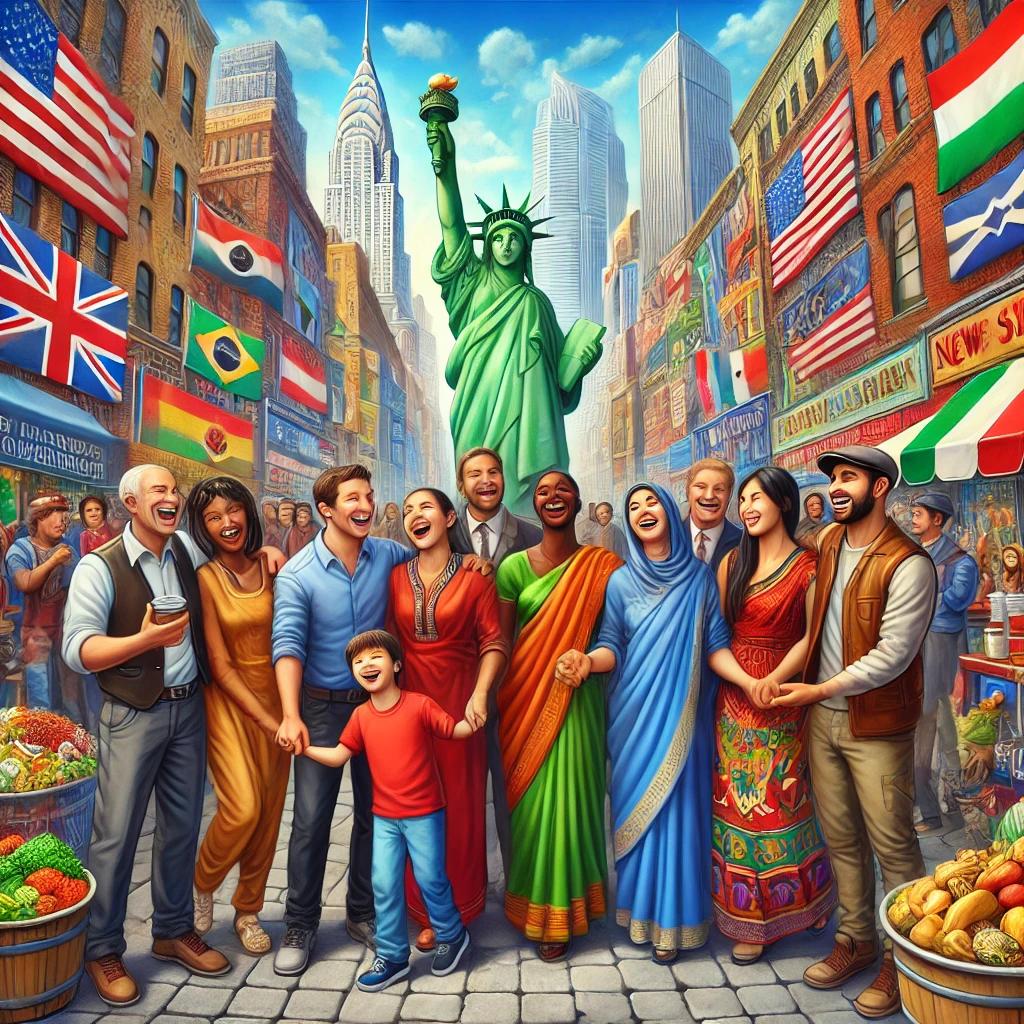
    New York City is a true melting pot, with over 800 languages spoken across its five boroughs.
    This cultural diversity enhances your learning experience, as you interact with people from all over the world using English as the common language.
    Learning English in such a multicultural city gives you not only language skills but also a deeper understanding of different cultures, perspectives, and traditions.
    It’s an enriching experience that goes beyond the classroom.

    4. Endless Opportunities to Practice English Outside the Classroom

    One of the biggest advantages of learning English in New York is that the learning doesn’t stop when you leave the classroom.
    The entire city becomes your learning space, offering countless opportunities to practice English in everyday situations.

    • Cultural Events: Museums, galleries, Broadway shows, and live performances provide opportunities to listen to and understand native English speakers.
    • Social Opportunities: New York has a thriving social scene, including language exchange meetups, networking events, and public speaking groups that help you improve your conversational skills.
    • Daily Interactions: Whether ordering coffee, using public transport, or visiting landmarks, the vibrant daily life of New York provides endless chances to practice English with locals.

    5. Career and Networking Opportunities

    New York is a global business hub, offering unmatched networking and career advancement opportunities.
    For English learners, gaining proficiency is key to succeeding in industries like finance, media, fashion, and technology, where English is the primary language of communication.
    Studying English in New York gives you access to internships, job opportunities, and connections with professionals in your field.
    Many language schools also offer career-oriented English courses to help you develop business communication, negotiation, and presentation skills, preparing you for success in a global market.

    6. Experiencing Iconic Landmarks and Entertainment

    Learning English in New York means you get to experience one of the most exciting cities in the world.
    From visiting landmarks like the Statue of Liberty and the Empire State Building to exploring famous neighborhoods like SoHo, Greenwich Village, and Harlem, your language learning is paired with unforgettable cultural experiences.
    New York is also home to Broadway, world-class museums like the Met and MoMA, and major events like the U.S. Open Tennis and New York Fashion Week.
    Attending these events allows you to practice your English while fully immersing yourself in the city’s rich cultural scene.

    7. Personal Growth and Confidence Building

    Living and learning in New York is not only about mastering a language, it’s about personal growth.
    Navigating the fast-paced environment of this large city requires adaptability and independence, which helps build your confidence.
    By mastering English in such a dynamic environment, you’ll develop skills beyond language, helping you achieve your personal and professional goals.

    What You Can Learn Because of New York?
    New York City offers unique learning experiences that you can only gain in this dynamic city.
    Here’s what makes learning English in New York truly special:

    • Real Business Experience: As the world’s financial capital, New York provides firsthand exposure to international business. Walking through Wall Street or Madison Avenue, you’ll experience the language of global business in real-time, offering insights you won’t find in textbooks.
    • Cultural Understanding: New York’s unparalleled diversity means you’ll interact with people from all over the world. Learning English in this city helps you not only improve your language skills but also develop a deeper understanding of global cultures and perspectives, making you a more effective communicator.
    • Endless Inspiration: New York is a creative epicenter, with cutting-edge trends in art, music, theater, and fashion all around you. Being immersed in this environment provides continuous inspiration, helping you refine your language skills while broadening your artistic and professional horizons.

    The Perfect City to Learn English

    New York City provides the perfect blend of cultural diversity, educational excellence, and real-life opportunities to use English.
    Whether you’re advancing your career, exploring new cultures, or simply aiming to become fluent, New York offers the ideal setting for success.
    The city’s energy, high-quality language schools, and endless opportunities for interaction make it one of the best places in the world to learn English.

  4. Learning a new language, especially English, can feel overwhelming at first, but with the right strategies, you can improve faster than you might expect.
    Whether you’re a beginner or more advanced, here are some practical tips and learning methods to help you boost your English skills quickly.
    It’s impossible to do everything at once, so choose a few methods that you can commit to consistently.

    1. Immerse Yourself in English Every Day

    One of the most effective ways to improve your English quickly is to immerse yourself in the language daily.
    You don’t need to live in an English-speaking country to surround yourself with English—you can create an English-rich environment wherever you are.

    • Watch English TV shows and movies: Start with subtitles, but gradually try watching without them to improve comprehension.
    • Listen to English podcasts: Listening to podcasts on a variety of topics will help you get used to native speakers’ pronunciation and rhythm.
    • Read in English: Begin with simple books, articles, or news websites, then gradually move on to more complex material.
    • Speak as much as possible: Practice speaking in English with friends, classmates, or language partners. The more you speak, the faster you’ll improve.

    Focus on Communication, Not Perfection

    Many learners hesitate to speak for fear of making mistakes, but mistakes are a natural part of learning.
    Instead of aiming for perfect grammar and pronunciation from the start, focus on communicating effectively.
    As long as your message is understood, that’s what counts.

    • Don’t be afraid of mistakes: Fluency comes from consistent speaking practice, and you’ll learn and improve by making mistakes.
    • Don’t obsess over grammar: While grammar is important, fixating on every rule can slow down your progress. Focus on getting your message across first.
    • Ask questions if you don’t understand: If something is unclear, don’t hesitate to ask for clarification. This will improve your comprehension.

    3. Build a Daily Study Routine

    Consistency is key to learning a language.
    By dedicating a little time each day to study, you’ll make steady progress. You don’t need to study for hours—just 30 minutes to an hour each day can have a big impact.

    • Set realistic goals: For example, aim to learn five new words a day or practice speaking for 10 minutes.
    • Use apps for quick practice: Apps like Duolingo, Babbel, or Memrise offer short, enjoyable lessons that fit easily into your daily schedule.
    • Mix up your study methods: Combine reading, writing, listening, and speaking to develop a well-rounded skill set.

    4. Expand Your Vocabulary Every Day

    The more words you know, the better you’ll be at understanding and expressing yourself in English.
    Focus on learning new words daily and practice using them in conversations or writing.

    • Use flashcards: Tools like Anki or Quizlet allow you to review vocabulary anytime, anywhere.
    • Learn words in context: Instead of memorizing random lists of words, learn words through real-life sentences and situations to help them stick.
    • Practice with synonyms and antonyms: Learning related words can help you expand your vocabulary faster.

    5. Surround Yourself with English Speakers

    One of the quickest ways to improve is by interacting with native or fluent English speakers.
    You’ll get exposure to everyday conversation, slang, and natural phrases.

    • Join language exchange groups: There are many online and in-person groups where you can practice English with native speakers.
    • Use language exchange apps: Apps like Tandem and HelloTalk connect you with people around the world for language practice.
    • Attend English-speaking events: Whether it’s a meetup, cultural activity, or social event, attending gatherings where English is spoken will help you practice in a natural setting.

    6. Maximize the Benefits of Your English Classes

    If you’re taking language classes or online courses, it’s important to make the most of them.
    The time spent in class is valuable, but continuing your learning outside of class will accelerate your progress.

    • Ask questions actively: Don’t hesitate to ask questions during class. Feedback from your teachers is essential for deepening your understanding.
    • Practice with classmates: Practice speaking English with your classmates, helping each other improve.
    • Participate in extracurricular activities: If your school offers extracurricular activities or events, join them to practice what you’ve learned in real-world scenarios.

    7. Use Effective Learning Tools

    Incorporating the right tools into your English learning routine can greatly speed up your progress.
    Here are some tools you can use to make learning more efficient:

    • Vocabulary learning tools: Anki, Quizlet, and other flashcard apps are great for efficiently memorizing vocabulary.
    • Speaking practice apps: Apps like Tandem and HelloTalk allow you to converse with native speakers and improve your speaking skills.
    • Listening tools: Use podcasts or YouTube channels designed for English learners to boost your listening comprehension.
    • Pronunciation improvement apps: Apps like Elsa Speak help you improve your pronunciation and sound more like a native speaker.

    8. Learn the 1,000 Most Common Words

    Research shows that learning the 1,000 most frequently used words in a language allows you to understand about 80% of everyday conversations.
    Focusing on these high-frequency words first can give your learning a fast start.

    • Download a frequency list: Many resources provide lists of the most common words in English. Start with these before moving on to more specialized vocabulary.
    • Use words in context: Once you learn new words, practice using them in sentences to reinforce your understanding.

    9. Get Feedback from Native Speakers

    To learn effectively, it’s important to get feedback from people who are fluent in English.
    They can help correct your mistakes, offer advice, and guide you in the right direction.

    • Work with a tutor: One-on-one lessons with an English tutor provide personalized feedback and focused learning.
    • Join conversation clubs: Many cities have English conversation clubs where you can practice with native speakers and get tips for improvement.
    • Ask for corrections: When speaking with native speakers, ask them to correct your mistakes. This will help you learn faster and develop better habits.

    10. Stay Consistent and Motivated

    Learning English takes time and dedication, but staying consistent and motivated will help you reach your goals faster.
    It’s important to remind yourself why you’re learning and to celebrate small wins along the way.

    • Break down your goals: Turn big goals into smaller milestones, like learning 100 new words or finishing an English book.
    • Track your progress: Keep a journal of your language learning journey or use apps that track your study habits and progress.
    • Reward yourself: Motivate yourself by giving small rewards when you reach your goals, whether it’s watching a movie in English or treating yourself to something special.

    Improve Your English Faster with Focused Practice

    The key to learning English quickly is immersion, consistent practice, and focusing on real-world communication.
    By incorporating these strategies into your daily routine, you’ll see noticeable improvements in your fluency, comprehension, and confidence.
    Remember, mastering a language is a journey, so stay motivated, keep practicing, and enjoy the process!
  5. New York City is one of the most iconic metropolises in the world.
    When people think of “New York,” towering skyscrapers, the bright lights of Times Square, and the Statue of Liberty often come to mind.
    But why did this city become so special and grow into one of the most important global cities? The answer lies in a mix of factors such as location, cultural diversity, and, most importantly, the influential “key players” who helped shape its rise.

    1. Perfect Location – It All Starts with Geography!

    One of the main reasons for New York’s success is its ideal location.
    Manhattan sits at the crossroads of critical trade and transport routes, linking Europe, the Americas, and beyond.
    In the 1600s, the Dutch established the settlement of “New Amsterdam” on this prime piece of land, seeing its potential as a vital trading hub.
    Its natural harbor, deep enough to accommodate large ships, made it the perfect spot for international trade and commerce, helping it grow into a bustling port city.

    Key Player: Henry Hudson

    The story of New York begins with explorer Henry Hudson, who, in 1609, navigated the river that now bears his name.
    His exploration opened the door to European interest in the area.
    Without Hudson’s discovery, New York’s strategic location might have gone unnoticed.

    2. The Power of Immigration – Diversity as Strength

    New York’s diversity is one of the city’s greatest assets.
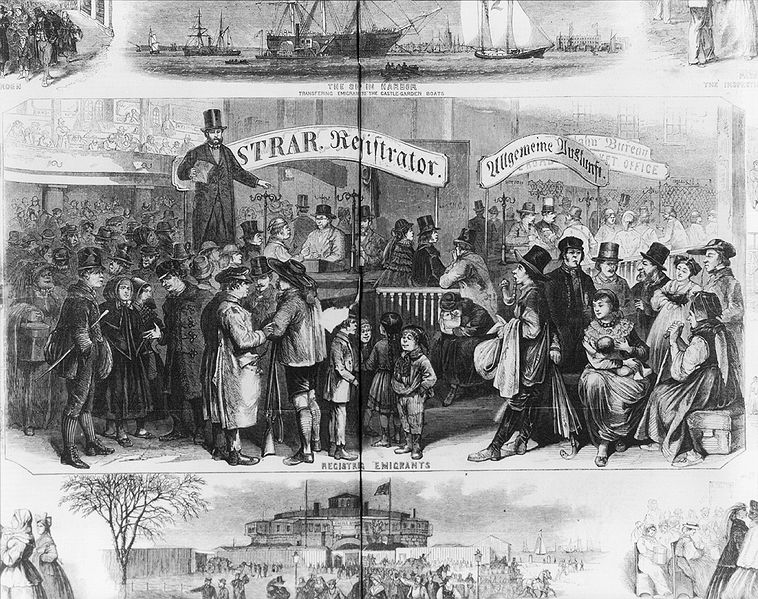
    In the 19th and early 20th centuries, millions of immigrants arrived through Ellis Island, bringing with them their cultures, traditions, and dreams.
    Italians, Irish, Germans, Jews, Chinese, and many others built their lives in New York, creating a multicultural society. This diversity sparked creativity, innovation, and economic growth, making New York a global powerhouse.

    Key Player: Emma Lazarus

    Poet Emma Lazarus, author of “The New Colossus,” played a symbolic role in New York’s identity as a city of immigrants.
    Her famous lines inscribed at the base of the Statue of Liberty — “Give me your tired, your poor, your huddled masses yearning to breathe free” — encapsulated New York’s spirit of welcoming those seeking a better life.

    3. A Financial Powerhouse – The World’s Money Moves Here

    New York’s rise as a global financial hub is another critical factor in its success.
    By the 19th century, Wall Street had become the financial heart of the city.
    The New York Stock Exchange (NYSE) emerged as the largest stock market in the world, attracting investment and shaping the global economy.

    Key Player: J.P. Morgan

    John Pierpont (J.P.) Morgan, the banking titan, was one of the most influential figures in New York’s financial history.
    He played a crucial role in the development of industries like steel, railroads, and electricity, fueling New York’s economic dominance.
    His leadership in finance helped solidify Wall Street’s position as the epicenter of global finance.

    4. A Hub for Culture and Creativity – Where Art and Entertainment Thrive

    New York is more than just a business city. It’s a cultural and creative capital, home to Broadway theaters, the Metropolitan Museum of Art, and the Museum of Modern Art (MoMA).
    The city has long been a magnet for artists, musicians, writers, and filmmakers, contributing to its reputation as a hub for global culture and entertainment

    Key Players: Broadway Producers

    The Broadway theater scene owes much of its fame to visionary producers in the early 20th century.
    These showmen transformed New York into the world’s premier stage for performing arts.
    Their efforts drew actors, writers, and musicians from around the globe, turning Broadway into a symbol of artistic excellence.

    Key Player: Andy Warhol

    In the 1960s, pop artist Andy Warhol revolutionized the New York art scene with his studio, “The Factory.” His work and influence helped establish New York as the epicenter of modern art, cementing its status as a global cultural capital.

    5. Global Leadership – Shaping the World’s Rules

    New York is also a leader on the international stage, home to the United Nations headquarters.
    This global institution makes New York a place where world leaders come together to discuss and solve international issues, giving the city a critical role in global diplomacy.

    Key Player: Eleanor Roosevelt

    Eleanor Roosevelt was instrumental in the founding of the United Nations and promoting human rights worldwide.
    Her advocacy helped establish New York as a center for humanitarian efforts and international diplomacy, enhancing the city’s global influence.

    Conclusion: The Key Players Behind New York’s Rise as a Global City

    New York’s rise to global prominence is due to its “ideal location,” “diverse culture,” “economic power,” “creative energy,” and “global leadership.” However, behind these forces stand key players like Henry Hudson, J.P. Morgan, Emma Lazarus, Eleanor Roosevelt, and Andy Warhol, who each played a pivotal role in shaping the city’s destiny.
    On the foundations they built, New York continues to evolve, inspiring people from all corners of the world.
    New York is not just a city; it’s a place where history, innovation, and culture converge to create the future.

  6. New York City stands as one of the most influential cities on the planet, not only for its size and diversity but also for its critical role in global finance, culture, media, and politics.
    Its vibrant energy, rich history, and ever-evolving skyline make it a symbol of modern urban life.
    The city has been a beacon for immigrants, dreamers, and innovators for centuries, shaping its unique character as a cultural melting pot.
    New York’s position as a hub for international trade, its thriving arts scene, and its status as a global financial capital have all contributed to making it the dynamic metropolis it is today.
    As the home of the United Nations, Wall Street, and Broadway, New York City continues to play a pivotal role in shaping global trends.

    The Early History of New York

    New York’s history begins long before it became a metropolis.
    Indigenous peoples such as the Lenape and Iroquois inhabited the area for thousands of years, living in harmony with the land’s rivers, forests, and coastlines.
    Their presence laid the foundation for what would later become one of the most significant urban centers in the world.

    In 1609, Henry Hudson’s expedition for the Dutch East India Company explored the river that now bears his name, opening the door to European colonization.
    The Dutch established the colony of New Amsterdam in 1624 at the southern tip of what is now Manhattan, serving as a key trading hub in the growing global empire.
    However, in 1664, the English captured the colony, renaming it New York after the Duke of York, marking the start of its rapid transformation into a powerful colonial city.

    The Rise of New York City as a Global Power

    Throughout the 18th and 19th centuries, New York grew in size, wealth, and influence, bolstered by key infrastructure projects like the Erie Canal, which opened in 1825 and connected New York to the western United States.
    The city’s natural harbor made it a pivotal player in global trade, and by the late 19th century, New York had become the largest city in the United States, cementing its position as a major economic and cultural force.

    New York’s status as a global city was further solidified by the waves of immigration in the 19th and early 20th centuries, particularly through Ellis Island, where over 12 million immigrants entered the U.S.
    The influx of new populations from Europe and other parts of the world transformed the city’s social fabric, making it one of the most diverse places on the planet.
    This diversity became one of New York’s greatest strengths, fueling innovation, art, and economic growth.

    The Five Boroughs and the Creation of Modern New York City

    In 1898, New York City was officially consolidated, bringing together the five boroughs — Manhattan, Brooklyn, Queens, The Bronx, and Staten Island — into a single municipal entity.
    Each borough retains its distinct identity, but together, they form the cultural, financial, and social engine that powers one of the most important cities in the world.

    Manhattan: The Iconic Core

    Manhattan is the historical and cultural heart of New York City, famous for its skyline, its cultural landmarks, and its role as the world’s financial capital.
    Originally founded as the Dutch settlement of New Amsterdam, Manhattan’s influence grew over the centuries, becoming home to Wall Street, Broadway, and some of the world’s most famous museums and institutions.
    Manhattan’s neighborhoods, from Harlem to SoHo, reflect the city’s evolving story, hosting diverse communities and driving the arts, commerce, and innovation.

    Brooklyn: The Creative Hub

    Once an independent city, Brooklyn has evolved into a thriving center for arts, culture, and innovation.
    Known for its iconic Brooklyn Bridge, diverse neighborhoods, and artistic communities, Brooklyn has emerged as one of the most vibrant parts of New York.
    Its transformation from an industrial powerhouse to a cultural capital has made it a symbol of New York’s creative energy.

    Queens: The Melting Pot

    Queens is the most ethnically diverse borough in the United States, with over 100 nationalities represented.
    Its history as a home for immigrants from all over the world has created a unique cultural landscape, where global traditions meet modern urban life.
    From Flushing Meadows-Corona Park to Astoria’s cultural scene, Queens is a borough that showcases New York’s status as a global city.

    The Bronx: The Cultural Birthplace

    The Bronx is known for being the birthplace of hip-hop and home to Yankee Stadium and the Bronx Zoo.
    Its rich cultural heritage is reflected in its vibrant music, arts, and food scenes.
    The Bronx has played an essential role in shaping New York’s identity, from its early days as a rural farming area to its rise as a cultural epicenter.

    Staten Island: The Natural Retreat

    Staten Island is often referred to as New York’s “forgotten borough,” but it offers beautiful natural landscapes and unique historical sites.
    Known for its scenic ferry ride with views of the Statue of Liberty, Staten Island provides a peaceful contrast to the hustle and bustle of the other boroughs, making it a hidden gem for visitors and locals alike.

    New York City’s transformation from a small Dutch trading post into one of the world’s most important and dynamic metropolises is a story of innovation, resilience, and cultural diversity.
    The city’s five boroughs, each with their own rich history, come together to create a mosaic of people, ideas, and traditions that have made New York the global city it is today.
    With its influence on global finance, culture, politics, and immigration, New York City remains a beacon for those seeking opportunity and inspiration in the modern world.

  7. New York City is one of the world’s top tourist destinations, renowned for its rich history, vibrant culture, iconic landmarks, and diverse neighborhoods.
    Each of the five boroughs — Manhattan, Brooklyn, Queens, The Bronx, and Staten Island — has its own unique character, offering visitors a wide variety of experiences.
    Whether you’re visiting for the first time or returning to explore more, there’s always something new and exciting waiting for you in this dynamic city.
    Below is a guide to some of the most famous landmarks in each borough that you absolutely can’t miss.

    1. Manhattan

    Manhattan is the heart of New York City and home to some of the most recognized landmarks in the world.
    Its bustling streets, towering skyscrapers, and iconic parks draw millions of visitors each year, eager to experience the pulse of the city.

    • Statue of Liberty and Ellis Island

      A universal symbol of freedom, the Statue of Liberty has stood tall on Liberty Island since 1886, welcoming millions of visitors and immigrants to the shores of America.
      As you take the ferry from Battery Park, you’ll also stop at Ellis Island, where over 12 million immigrants once passed through on their journey to a new life.
      The Ellis Island National Museum of Immigration offers a fascinating look into the lives of those who helped shape the nation.
      Both sites are a must-see for anyone interested in American history and the ideals of liberty and democracy.

    • Central Park

      At the center of Manhattan’s urban landscape lies Central Park, an 843-acre green oasis that offers a peaceful retreat from the hustle and bustle of the city.
      Whether you’re looking to take a leisurely walk along its scenic pathways, rent a boat on the lake, or explore attractions like the Central Park Zoo or the Bethesda Terrace, the park is a place where nature and culture meet.
      It’s the perfect spot to unwind, have a picnic, or simply enjoy the views of the city skyline amidst the beauty of nature.

    • Empire State Building

      Towering over Manhattan at 1,454 feet, the Empire State Building is an internationally recognized symbol of New York.
      Visitors can ascend to its observation decks on the 86th and 102nd floors to enjoy breathtaking, panoramic views of the city.
      On a clear day, you can see up to five different states from the top.
      The building itself is an architectural masterpiece, and its nightly light displays commemorate everything from holidays to charitable causes, making it a must-visit for anyone in New York.

    • Times Square

      Often referred to as “The Crossroads of the World,” Times Square is a dazzling, neon-lit spectacle of oversized billboards, bustling crowds, and vibrant energy.
      Located at the intersection of Broadway and Seventh Avenue, it’s the hub of the city’s entertainment district and home to Broadway theaters, flagship stores, restaurants, and cultural attractions.
      Times Square is most famous for its electric atmosphere at night, but it’s also the place where the world gathers to celebrate major events like the New Year’s Eve Ball Drop.
      A visit to New York isn’t complete without experiencing the thrill of Times Square.

    • The Metropolitan Museum of Art (The Met)

      The Met is one of the largest and most prestigious art museums in the world, housing a vast collection that spans over 5,000 years of human history.
      Located along Central Park’s eastern edge on Museum Mile, The Met’s galleries contain everything from ancient Egyptian artifacts to Renaissance paintings and contemporary works.
      Whether you’re an art enthusiast or simply curious, you can spend hours wandering through its halls, exploring masterpieces from different cultures and eras.
      The Met also hosts special exhibitions and events that provide a deeper dive into the world of art and culture.

    2. Brooklyn

    Brooklyn is known for its creative, eclectic vibe, offering a blend of historic landmarks, modern art, and scenic parks.
    With its laid-back atmosphere, this borough is a haven for artists, foodies, and anyone looking to experience a different side of New York.

    • Brooklyn Bridge

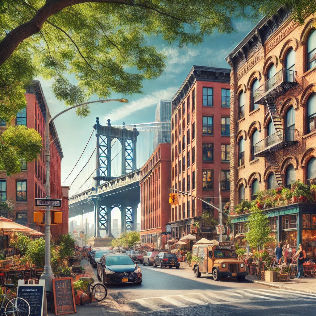
      One of the most iconic landmarks in New York, the Brooklyn Bridge has connected Manhattan and Brooklyn since 1883.
      A walk or bike ride across the bridge offers stunning views of the East River and both boroughs’ skylines.
      The architectural grandeur of the bridge itself, with its massive stone towers and intricate cable structures, makes it an unforgettable experience.
      Whether during the day or at sunset, a stroll across the Brooklyn Bridge is a must for visitors seeking breathtaking views and a sense of history.

    • Prospect Park

      Often referred to as the “Central Park of Brooklyn,” Prospect Park was designed by the same architects, Frederick Law Olmsted and Calvert Vaux.
      This 526-acre green space is a favorite among locals for picnicking, jogging, and family outings.
      It features a zoo, a beautiful lake for boating, and the Brooklyn Botanic Garden, which showcases a stunning array of flora throughout the year.
      The park also hosts concerts, festivals, and outdoor events, making it a vibrant part of Brooklyn life.

    • Brooklyn Museum

      As one of the largest art museums in the United States, the Brooklyn Museum boasts an impressive and diverse collection of art.
      Visitors can explore everything from ancient Egyptian relics to contemporary works by modern artists.
      With its commitment to representing different cultures and perspectives, the museum offers a thought-provoking experience for art lovers.
      Its exhibitions frequently highlight underrepresented voices, making it a forward-thinking institution in the art world.

    • DUMBO

      DUMBO, short for “Down Under the Manhattan Bridge Overpass,” is one of Brooklyn’s trendiest neighborhoods.
      With its cobblestone streets, art galleries, and chic boutiques, DUMBO exudes a creative energy that attracts artists, entrepreneurs, and visitors alike.
      The area is also home to Brooklyn Bridge Park, which offers stunning views of Manhattan across the East River.
      From its historic industrial buildings to its hip waterfront cafes, DUMBO is the perfect spot to soak in Brooklyn’s artistic charm.

    • Coney Island

      For over a century, Coney Island has been New York’s playground, offering fun and excitement by the beach.
      The boardwalk is lined with classic amusement park rides, including the famous Cyclone roller coaster and the Wonder Wheel, as well as arcades, food stands, and shops.
      Whether you’re visiting for a summer day at the beach, attending a festival, or enjoying a hot dog at Nathan’s Famous, Coney Island’s unique mix of nostalgia and thrill makes it a quintessential New York experience.

    3. Queens

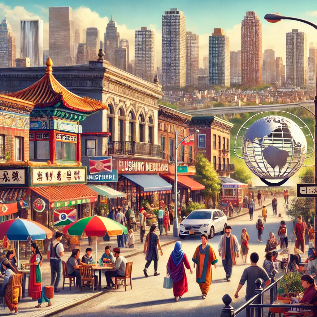
    Queens is the most ethnically diverse borough in New York City, making it a cultural melting pot of people, food, and traditions from around the world.
    Visitors can explore everything from international cuisine to expansive parks and world-class art institutions.

    • Flushing Meadows-Corona Park

      The largest park in Queens, Flushing Meadows-Corona Park is perhaps best known for the Unisphere, a giant steel globe that remains from the 1964 World’s Fair.
      The park is home to many of the borough’s key attractions, including the USTA Billie Jean King National Tennis Center, where the U.S. Open is held every year.
      The park also offers ample green space for picnicking, biking, and playing sports, making it a beloved outdoor spot for locals and tourists alike.

    • Museum of the Moving Image

      Located in Astoria, the Museum of the Moving Image is a fascinating institution dedicated to the history, technology, and art of film, television, and digital media.
      With interactive exhibits, screenings of classic films, and unique behind-the-scenes insights, this museum offers visitors a deep dive into the world of motion pictures.
      It’s a must-visit for film buffs and anyone interested in the evolution of visual storytelling.

    • Gantry Plaza State Park

      Situated along the East River in Long Island City, Gantry Plaza State Park offers one of the best views of the Manhattan skyline, particularly at sunset.
      With its piers, manicured gardens, and waterfront walkways, the park provides a peaceful retreat from the city.
      Visitors can relax on the lawns, enjoy a picnic, or simply take in the stunning skyline views across the river.

    • Queens Botanical Garden

      This 39-acre garden in Flushing is a serene escape for nature lovers.
      The Queens Botanical Garden showcases a variety of beautiful gardens, including a rose garden, a bee garden, and sustainable landscapes that promote environmental conservation.
      It’s a perfect spot for those looking to enjoy a tranquil, green space in the heart of the city.

    • MoMA PS1

      MoMA PS1 in Long Island City is one of the largest contemporary art institutions in the U.S., known for its avant-garde and experimental exhibitions.
      The museum frequently hosts art performances, installations, and events that challenge traditional notions of art.
      With its cutting-edge approach to contemporary art, MoMA PS1 is a must-see for anyone interested in the latest trends in the art world.

    4. The Bronx

    The Bronx is a borough with a rich cultural history, from being the birthplace of hip-hop to housing some of New York’s most beloved landmarks.
    It offers a unique blend of sports, nature, and history, making it a borough full of surprises.

    • Yankee Stadium

      No visit to The Bronx is complete without a stop at Yankee Stadium, home of the legendary New York Yankees.
      The current stadium, built in 2009, stands across the street from the original site, and it’s a must-see for any baseball fan.
      Stadium tours offer a behind-the-scenes look at the inner workings of this iconic sports venue, including visits to the dugout, press box, and Monument Park.
      During baseball season, catching a Yankees game is a quintessential New York experience.

    • Bronx Zoo

      As one of the largest metropolitan zoos in the world, the Bronx Zoo is home to more than 6,000 animals representing hundreds of species.
      Visitors can explore a wide variety of exhibits, including the African Plains, the Congo Gorilla Forest, and JungleWorld.
      The zoo’s commitment to wildlife conservation and education makes it a top destination for families and animal lovers alike.

    • New York Botanical Garden

      Located next to the Bronx Zoo, the New York Botanical Garden spans 250 acres and offers a stunning array of plants and landscapes.
      Visitors can explore its many themed gardens, including a breathtaking rose garden, a forest of native trees, and the Enid A.
      Haupt Conservatory, which houses exotic plants from around the world.
      The garden also hosts special exhibits and seasonal festivals, providing a perfect escape into nature.

    • Little Italy (Arthur Avenue)

      Often called the “real Little Italy,” Arthur Avenue in The Bronx is known for its authentic Italian food, bakeries, and markets.
      This vibrant neighborhood offers a taste of old-world Italy right in the heart of New York, with family-run businesses that have been serving the community for generations.
      Whether you’re in the mood for fresh pasta, cannolis, or artisanal cheeses, Arthur Avenue is a must-visit for food lovers.

    • Wave Hill

      This 28-acre public garden and cultural center offers breathtaking views of the Hudson River and the Palisades.
      Wave Hill is a peaceful retreat where visitors can wander through its gardens, greenhouses, and woodlands, or attend art exhibitions and performances.
      It’s an ideal spot for those looking to escape the hustle and bustle of the city and connect with nature.

    5. Staten Island

    Staten Island is often the most overlooked borough by tourists, but it offers beautiful natural landscapes, historical landmarks, and a relaxed, suburban feel that contrasts with the urban intensity of the other boroughs.

    • Staten Island Ferry

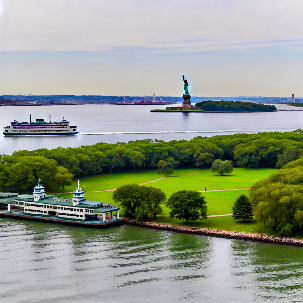
      The Staten Island Ferry offers one of the most scenic and cost-effective ways to see New York Harbor, including close-up views of the Statue of Liberty and Ellis Island.
      The ferry runs 24 hours a day between Manhattan and Staten Island, providing a free, scenic commute that’s perfect for tourists looking to capture breathtaking photos of the Manhattan skyline.

    • Snug Harbor Cultural Center & Botanical Garden

      Once a retirement home for sailors in the 19th century, Snug Harbor has been transformed into a cultural center with museums, galleries, and beautiful botanical gardens.
      It’s a hidden gem, offering visitors a peaceful retreat and a chance to explore the historic architecture, art exhibitions, and lush gardens that make it one of Staten Island’s most unique destinations.

    • Staten Island Greenbelt

      For nature enthusiasts, the Staten Island Greenbelt is a sprawling network of parks and hiking trails, offering over 2,800 acres of natural beauty.
      As one of the largest urban nature preserves in the U.S., the Greenbelt provides opportunities for hiking, birdwatching, and exploring woodlands, wetlands, and meadows.
      It’s a great destination for those looking to enjoy the outdoors without leaving the city.

    • Historic Richmond Town

      Step back in time at Historic Richmond Town, a living history village that recreates life in colonial New York.
      Visitors can tour historic homes, shops, and churches that date back to the 17th century, offering a glimpse into the everyday lives of early settlers.
      With its educational programs, costumed interpreters, and special events, Historic Richmond Town is a fascinating destination for history buffs and families alike.

    Summary

    New York City’s five boroughs each offer a wealth of landmarks and attractions that reflect the city’s rich cultural diversity and history.
    From the iconic skyline views of Manhattan to the creative energy of Brooklyn, the green spaces of Queens, the historic charm of The Bronx, and the natural beauty of Staten Island, there’s something for everyone in this amazing city.
    Whether you’re exploring world-famous landmarks or uncovering hidden gems, New York City never ceases to amaze with its endless opportunities for discovery.

  8. In the United States, tipping is a common practice in restaurants, bars, hotels, taxis, tour guides, and other service industries.
    For foreigners, this “tipping culture” can be confusing.
    Below, we explain everything from the basics of tipping to specific etiquette, payment methods, the concept of gratuity, and important guidelines.

    1. What is Tipping?

    Tipping is the act of giving a small extra payment to service providers as a gesture of appreciation.
    In the United States, tipping is particularly common in the service industry, where many employees rely on tips as a significant part of their income.

    2. Why is Tipping Expected?

    Many service industry employees in the U.S. receive a base pay that is below minimum wage, as tips are expected to supplement their income.
    For example, waitstaff in restaurants are often paid a low base wage, and tips help them make a living.
    Therefore, customers are generally expected to tip if they’re satisfied with the service they receive.

    3. How to Tip and Tipping Etiquette

    Paying a Tip

    When it comes to paying a tip, there are different methods based on how you settle the bill:

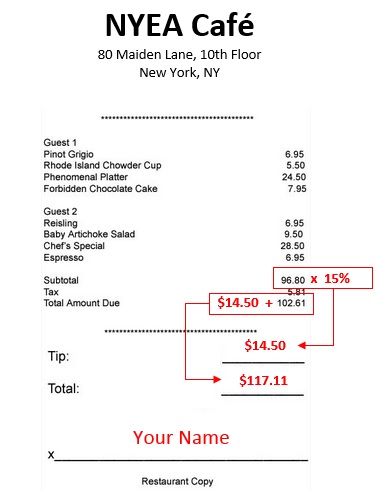
    • Paying by Credit Card: If you pay by credit card, the receipt will typically have a line at the bottom labeled “Tip” or “Gratuity.” Write the tip amount here, add it to the total, and enter the new amount on the “Total” line. After signing, your tip will be included in the final payment.
    • Paying by Cash: If you pay in cash, there are two common methods to leave the tip:

      1. Leave cash on the table and pay your bill separately. Some people place a clean cup or plate on top of the cash tip to prevent it from blowing away.
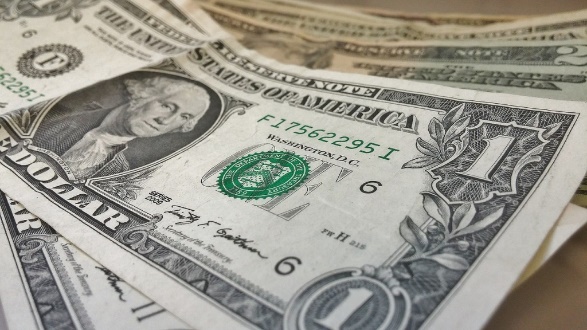
      2. If the bill comes in a black folder, you can place the cash tip inside along with your payment. For example, if your bill is $16.50, you could leave $20 and say, “Keep the change,” giving the server a $3.50 tip.

    In cases where there is no formal bill (such as tipping a hotel bellhop or airport porter), it’s helpful to carry small bills for convenience.

    What is Gratuity?

    In addition to tipping, you may also encounter a “gratuity” charge on your bill, especially in restaurants or during large group dining.
    Gratuity, often called a “service fee,” is an automatic charge added to your bill to cover the tip for the service staff.
    This charge is usually between 15-20% of the total bill and is common in busy tourist areas like New York City.

    If gratuity is already included in your bill, there is no need to leave an additional tip unless you received exceptional service and want to provide an extra gesture of appreciation.
    Always review your bill to confirm if a gratuity has been added to avoid double-tipping.

    Tipping in Restaurants and Bars

    • Full-Service Restaurants: A tip of 15-20% of the bill is standard. If the service is exceptional, tipping more than 20% is common.
    • Fast Food and Cafes: Tipping is not usually necessary for self-service or counter-service establishments.
    • Bars: Generally, $1-2 per drink or 15-20% of the bill.

    Tipping in Hotels

    • Bellhop: $1-2 per bag.
    • Housekeeping: $3-5 per person per night. It’s customary to leave the tip under the pillow.
    • Concierge: $1-5 for providing assistance with reservations or helpful information.

    Tipping for Transportation

    • Taxi or Rideshare (e.g., Uber): A tip of 15-20% of the fare is customary.
    • Porters at Airports or Stations: $1-2 per bag.

    4. Important Tipping Guidelines

    Check for Automatic Service Charges

    In restaurants, especially when dining in large groups, a “service fee” of around 18% may be automatically added to the bill.
    In tourist areas like New York City, this service charge is standard.
    Always review your bill to avoid double-tipping.

    Situational Tipping Etiquette

    • Takeout and Delivery: Generally, tipping isn’t necessary for takeout, but a small tip may be appreciated if you made special requests or received exceptional service. For food delivery, a 10-15% tip is usually expected.
    • Hotel Room Service: Room service often includes a service fee, making additional tips unnecessary. However, if the service was especially good, adding a small extra tip is a thoughtful gesture.

    Alternative to Tipping Poor Service

    If you receive poor service, it’s generally best to leave a small tip rather than no tip at all and then discuss your concerns with the manager.
    This approach can help convey feedback without completely withholding gratuity.

    5. Changes in Tipping Culture and Emerging Trends

    No-Tip Policies

    Some restaurants have adopted “no-tip policies,” aiming to provide employees with fair wages by slightly increasing menu prices instead.
    This allows customers to avoid the tipping dilemma and ensures that employees earn a stable income.
    Although no-tip policies are growing in popularity, tipping remains customary in tourist-heavy and traditional service areas.

    The Role of Technology

    With the rise of digital payments, apps often allow users to add a tip easily.
    Rideshare services like Uber and Lyft, for instance, allow passengers to add a tip directly through the app, making it easier to tip even after the ride.

    Adapting to Tipping Culture in the U.S.

    Tipping is an essential part of American culture and a primary way of showing appreciation for service.
    Learning the appropriate amounts and timing for tipping will help you avoid misunderstandings and embrace this unique aspect of American life.
    Be mindful that certain charges, like service fees and gratuity, may be automatically included.
    By understanding these tipping practices, you’ll find it easier to navigate life or travel in the U.S. and have a more comfortable experience overall.

  9. New York City is one of the world’s largest metropolises, and its transportation infrastructure is highly developed.
    There are various ways to get around the city, including public transportation, taxis, rideshares, bikes, and walking.
    Here, we provide an overview of the major transportation options in New York, along with important tips for using them and information about the city’s main airports.

    1. Subway

    The New York City subway operates 24/7 and covers all five boroughs (Manhattan, Brooklyn, Queens, the Bronx, and Staten Island).
    The fare is flat-rate, and you can easily get on and off using a MetroCard.

    • Fare: About $2.90 per ride (as of 2024)
    • MetroCard: A rechargeable card that can be used across multiple transportation modes
    • App: The official MTA app allows you to check routes and service updates

    Tips:

    • The subway is very crowded during rush hours (7-9 AM and 5-7 PM on weekdays), so allow extra time for your trip.
    • Keep a close eye on your belongings to avoid pickpockets, especially in crowded areas.
    • Some subway lines run less frequently late at night, so be sure to check schedules in advance.

    2. Bus

    New York City’s bus network is extensive and useful for short-distance trips or areas not served by the subway.
    Buses travel above ground, allowing you to enjoy the scenery, but they can be delayed due to traffic congestion.

    • Fare: Same as the subway at $2.90 (MetroCard accepted)
    • Routes: Buses run along many routes across the city, with frequent stops
    • App: The MTA app provides real-time updates on bus arrival times and routes

    Tips:

    • Buses are more prone to delays due to traffic congestion, especially in Manhattan, so give yourself extra time.
    • Be sure to press the stop button before your desired stop to notify the driver.

    3. Taxis & Rideshare Services

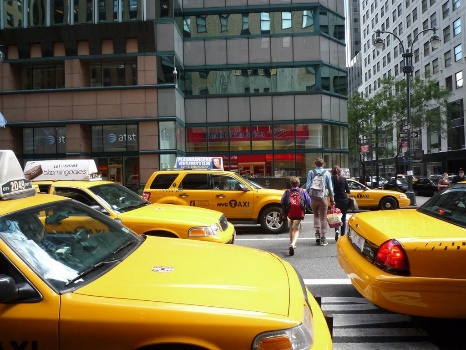
    New York’s yellow taxis (Yellow Cabs) are iconic, and you can easily hail one by raising your hand on the street. In recent years, rideshare services like Uber and Lyft have also become very popular.

    • Taxi fare: The base fare starts at around $3.50, with additional charges depending on distance and time.
    • Rideshare (Uber): Uber allows you to check fare estimates and choose vehicle types (UberX, UberPool, UberBlack, etc.) through the app.

      • UberX: Standard vehicle for 1-4 passengers
      • UberPool: Shared ride with other passengers, offering a cheaper option
      • UberBlack: Premium vehicle, often used for business or special occasions

    Tips:

    • During rush hours or bad weather, both Uber and taxis may have higher fares, so it’s good to check the fare estimate beforehand.
    • Always confirm the license plate and driver details before entering the car for safety.

    4. Airports: JFK & LaGuardia

    New York City is served by two major airports: John F. Kennedy International Airport (JFK) and LaGuardia Airport (LGA).
    Both airports are well connected to the city and offer various transportation options.

    John F. Kennedy International Airport (JFK)

    JFK is New York’s largest and busiest airport, handling most international flights.

    • Location: Southeast of Manhattan in Queens, about 15 miles (24 km) from Midtown Manhattan.
    • Transportation Options:
      • AirTrain JFK: Connects to the subway and Long Island Rail Road (LIRR) for easy access to Manhattan.
      • Taxi/Uber: A taxi ride to Midtown Manhattan costs a flat rate of approximately $70 (excluding tolls and tips). Uber prices vary based on demand.
      • Bus: Public buses (such as the Q10) connect JFK to the subway system.
      • Private Shuttles: Several shuttle services are available for direct transportation to hotels and city centers.

    LaGuardia Airport (LGA)

    LGA is smaller than JFK and primarily handles domestic flights.

    • Location: In Queens, about 8 miles (13 km) from Midtown Manhattan.
    • Transportation Options:
      • Taxi/Uber: A taxi ride to Midtown Manhattan typically costs $30-$40, plus tolls and tips. Uber services are also widely available.
      • Bus: Several MTA buses (such as the M60, Q70) offer convenient access to the subway, providing an affordable route to the city.
      • Private Shuttles: Available for direct transportation to major locations in Manhattan.

    5. Biking

    In recent years, cycling has become increasingly popular in New York, and CitiBike, the city’s bike-sharing service, is widely used.
    Dedicated bike lanes are expanding, making cycling a greener and more flexible way to explore the city.

    • CitiBike: You can rent a bike from one station and return it at another. It’s perfect for short trips and sightseeing.
    • Cost: Rentals start at around $4, with daily and annual passes available.

    Tips:

    • Be cautious in areas with heavy traffic, and use designated bike lanes where available.
    • Always return the bike to an official station to avoid extra charges.

    6. Walking

    New York City is one of the best cities in the world for walking.
    Manhattan is well-organized and easy to navigate on foot, with major tourist attractions and shops located within close proximity.

    Tips:

    • Always follow traffic signals and cross at designated crosswalks to avoid fines.
    • Some areas, such as Times Square, can become extremely crowded, so consider visiting early in the day to avoid the rush.

    7. Ferry

    The Staten Island Ferry is a free ferry service that connects Manhattan and Staten Island, offering stunning views of the Statue of Liberty and the Manhattan skyline.

    • Fare: Free
    • Schedule: Operates 24 hours a day, with departures every 30 minutes

    Tips:

    • The ferry is often crowded during peak hours, so try to avoid rush times if possible.

    Summary

    New York City offers a wide range of transportation options to suit any travel needs.
    Public transportation like the subway and buses are cost-effective and efficient for getting around the city, while taxis, Uber, and biking offer more personalized ways to travel.
    Be sure to choose the right mode of transport for your schedule, and enjoy exploring the vibrant streets of New York!

  10. New York City is a hub of vibrant events, from unique local celebrations to national holidays that bring the city together.
    Whether you’re visiting in the winter, spring, summer, or fall, New York offers a wide variety of experiences. Here’s a guide to the most exciting events throughout the year, including major U.S. national holidays.

    Winter Events (December to February)

    Winter in New York is festive, with twinkling lights and holiday markets, but it’s also when several national and cultural holidays take center stage.

    • New Year’s Eve in Times Square

      The world-famous New Year’s Eve Ball Drop in Times Square is an iconic event.
      Millions gather to celebrate with live performances, confetti showers, and fireworks, welcoming the new year in one of the biggest parties in the world.

    • Martin Luther King Jr. Day (January)

      New York City honors the life and legacy of Dr.
      Martin Luther King Jr. with special events, including concerts, lectures, and services.
      The Brooklyn Academy of Music (BAM) hosts a free annual tribute concert, and there are numerous volunteer opportunities throughout the city.

    • Super Bowl Viewing Parties (February)

      Although the Super Bowl takes place in different cities each year, New York is home to some of the largest and liveliest Super Bowl viewing parties.
      Bars, restaurants, and sports venues across the city host events where locals and visitors come together to cheer on their teams.

    • Presidents’ Day (February)

      Celebrated in honor of George Washington and Abraham Lincoln’s birthdays, Presidents’ Day in New York is quieter than some holidays but still offers special events.
      Historical museums like the American Museum of Natural History and the New-York Historical Society often hold special exhibits and activities for the day.

    • Lunar New Year Parade (February)

      The Lunar New Year Parade in Chinatown is a vibrant and colorful celebration featuring dragon dancers, firecrackers, and traditional Chinese performances.
      It’s a fantastic way to experience Chinese culture in the heart of Manhattan.

    Spring Events (March to May)

    Spring in New York brings warmer weather and outdoor events, along with several national holidays and parades.

    • St. Patrick’s Day Parade (March)

      One of the largest St. Patrick’s Day celebrations in the world, New York’s parade down Fifth Avenue draws thousands of spectators who enjoy marching bands, bagpipers, and participants celebrating Irish heritage.

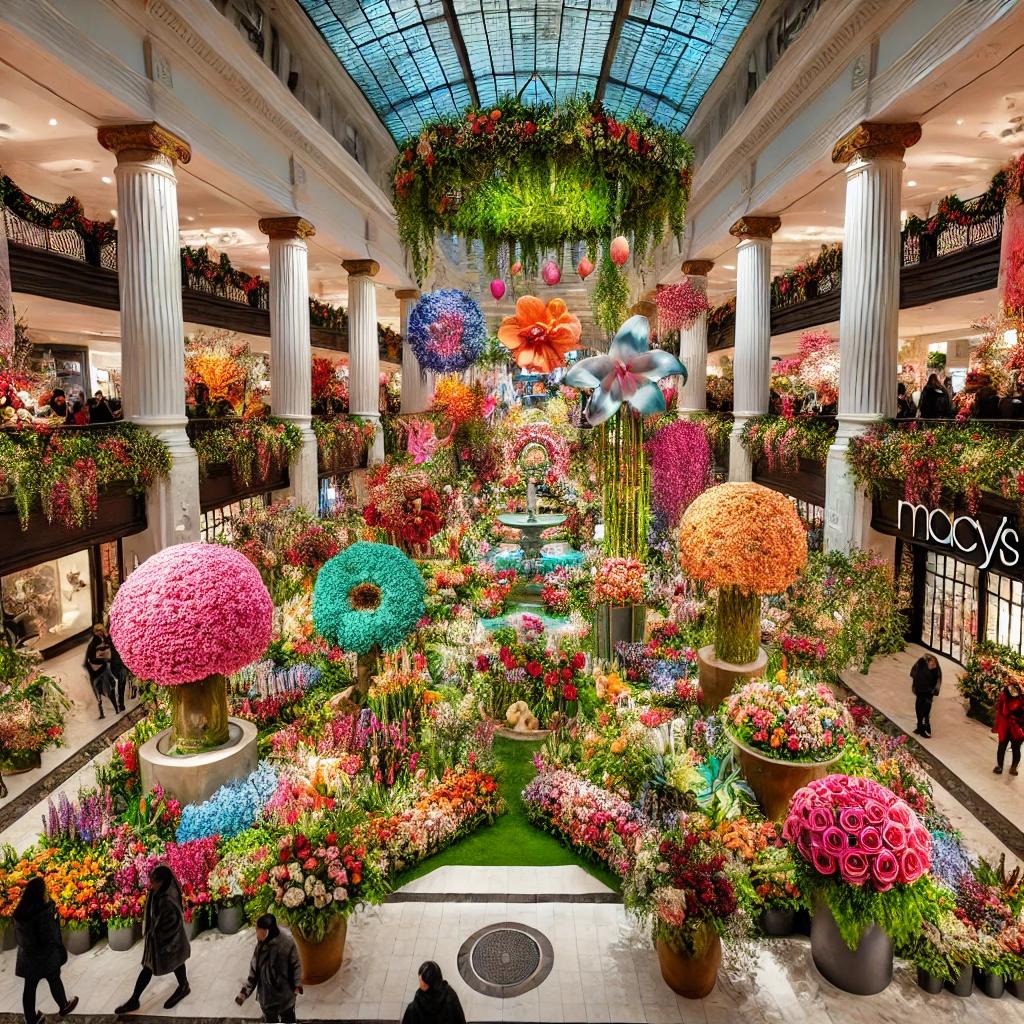
    • Macy’s Flower Show (April)

      Herald Square is transformed into a breathtaking floral display during the Macy’s Flower Show, with exotic blooms and stunning arrangements that bring spring to life in the city.

    • Tribeca Film Festival (April)

      Founded by Robert De Niro, the Tribeca Film Festival is a prestigious event showcasing films, documentaries, and new media.
      It’s an important stop on the film festival circuit, attracting filmmakers and audiences from around the world.

    • Easter Parade and Bonnet Festival (April)

      Easter in New York is marked by the famous Easter Parade and Bonnet Festival along Fifth Avenue.
      Participants don extravagant and creative bonnets, adding a whimsical and celebratory touch to the holiday.

    • Memorial Day (May)

      Memorial Day, observed on the last Monday of May, honors U.S. military personnel who have died in service.
      New York hosts somber ceremonies and military displays, including the annual Memorial Day Parade in Brooklyn and the grand Fleet Week event, where U.S. Navy ships dock in the city, and visitors can tour the vessels.

    Summer Events (June to August)

    Summer in New York is filled with outdoor festivals, cultural celebrations, and sports events, including national holidays that bring the city to life.

    • Juneteenth (June)

      Juneteenth, celebrated on June 19th, commemorates the end of slavery in the U.S. New York City holds various cultural events, including concerts, educational talks, and celebrations in parks, honoring African American history and culture.

    • Fourth of July (Independence Day)

      New York’s Independence Day celebrations are highlighted by Macy’s Fourth of July Fireworks, one of the largest fireworks displays in the U.S. The East River is lit up with colorful explosions, drawing crowds to waterfront parks, rooftops, and viewing spots across the city.

    • Pride Month & NYC Pride March (June)

      June marks Pride Month, celebrating the LGBTQ+ community. New York City’s Pride March is one of the largest in the world, with colorful floats, performers, and thousands of participants marching through Manhattan in celebration of love, diversity, and equality.

    • Shakespeare in the Park (June to August)

      A cherished summer tradition, Shakespeare in the Park offers free outdoor performances of Shakespeare’s works at the Delacorte Theater in Central Park.
      It’s a perfect way to enjoy the arts while surrounded by nature.

    • U.S. Open Tennis Championships (August to September)

      The U.S. Open, one of the four Grand Slam tennis tournaments, is held at the USTA Billie Jean King National Tennis Center in Queens.
      This world-class event draws top players and fans from around the globe, making it a highlight of the summer sports calendar.

    • Labor Day (September)

      Labor Day marks the unofficial end of summer and is celebrated with barbecues, picnics, and outdoor activities.
      In New York City, the West Indian Day Parade in Brooklyn is a vibrant celebration of Caribbean culture, with colorful costumes, music, and dance.

    Fall Events (September to November)

    As the leaves change color, New York City offers a mix of national holidays and local celebrations.

    • New York Fashion Week (September)

      One of the biggest events in the fashion industry, New York Fashion Week draws designers, models, and fashionistas from around the world.
      Held twice a year, the September edition is particularly influential, setting trends for the upcoming season.

    • Feast of San Gennaro (September)

      This 11-day festival in Little Italy celebrates Italian-American culture with food, live music, parades, and a cannoli-eating contest.
      It’s a beloved event for locals and tourists alike.

    • Columbus Day (October)

      Columbus Day, observed on the second Monday in October, celebrates the arrival of Christopher Columbus in the Americas.
      In New York, the day is marked with a parade along Fifth Avenue, featuring marching bands, floats, and participants celebrating Italian-American heritage.

    • Halloween & Village Halloween Parade (October 31)

      New York’s Halloween celebrations are legendary, with the Village Halloween Parade in Greenwich Village being the centerpiece.
      Thousands of people dress in elaborate costumes and march through the streets, accompanied by live music, giant puppets, and dancers.

    • Veterans Day (November)

      Veterans Day, observed on November 11th, honors military veterans. New York City hosts the country’s largest Veterans Day Parade, with military units, veterans’ groups, and marching bands parading down Fifth Avenue in recognition of those who served.

    • Thanksgiving & Macy’s Thanksgiving Day Parade (November)

      The Macy’s Thanksgiving Day Parade is one of the most iconic parades in the world.
      Enormous character balloons, floats, marching bands, and celebrity performances make their way through the streets of Manhattan, marking the start of the holiday season.

    Year-Round Attractions

    Beyond seasonal events, New York City offers attractions that can be enjoyed any time of the year:

    • Broadway Shows

      Catch a Broadway show any time of year.
      From timeless classics to new hits, the vibrant theater scene in New York never takes a break.

    • Museum Exhibitions

      New York’s museums, including The Met, MoMA, and the American Museum of Natural History, host rotating exhibitions throughout the year, ensuring there’s always something new to discover.

    Conclusion: New York City – A Year-Round Destination for National and Local Events

    From celebrating major U.S. holidays like the Fourth of July and Thanksgiving to enjoying unique local festivals such as the West Indian Day Parade and Shakespeare in the Park, New York City offers a wealth of events for visitors and locals alike.
    Whether you’re a sports fan, history buff, or art lover, New York’s events calendar is packed with experiences that highlight the city’s energy, diversity, and global influence.
    No matter when you visit, you’ll find something exciting happening in the city that never sleeps.